




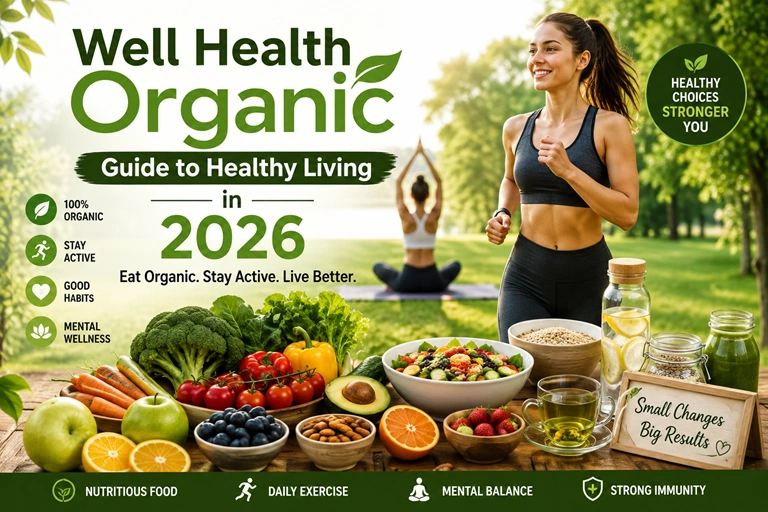
Complete Guide to Healthy Living in 2026
Quick Summary
- Focus on sustainable habits instead of quick fixes.
- Build meals around whole, minimally processed foods.
- Make movement part of your daily routine.
- Prioritize quality sleep and stress management.
- Support your health with clean lifestyle choices.
- Consistency delivers better results than perfection.
Healthy Living Isn’t About Perfection—It’s About Better Choices
Most people don’t wake up one morning and decide to transform their lives overnight. Real health usually starts much smaller. It could be choosing fruit instead of packaged snacks, taking a 20-minute evening walk, or finally committing to a consistent bedtime. These small decisions seem ordinary, yet they create lasting change over time.
That’s the philosophy behind Well Health Organic. Healthy living in 2026 isn’t about following the latest viral diet or buying expensive wellness products. Instead, it’s about making informed, practical choices that improve your physical health, mental well-being, and overall quality of life.
With growing awareness around nutrition, sustainability, and preventive healthcare, more people are moving toward an organic lifestyle that emphasizes balance rather than restriction. This guide explains how to build healthy habits that actually fit into modern life while helping you feel better every day.
Why Healthy Living Looks Different in 2026
Health trends have changed dramatically over the last few years. Instead of chasing dramatic transformations, people are now looking for routines they can realistically maintain for years.
Today’s approach combines scientific research with practical living. While nutrition remains the foundation, other factors—such as sleep quality, stress levels, hydration, physical activity, and environmental exposure—are now recognized as equally important.
A healthy lifestyle in 2026 is built around several key principles:
- Eating foods closer to their natural state
- Reducing ultra-processed products
- Staying physically active throughout the day
- Supporting mental health
- Prioritizing quality sleep
- Creating sustainable routines instead of temporary diets
These habits don’t require perfection. They require consistency.
What Does an Organic Lifestyle Really Mean?
Many people assume “organic” simply means buying expensive groceries. In reality, an organic lifestyle is much broader than what’s written on a food label.
It focuses on reducing unnecessary chemicals where practical, choosing nutrient-dense foods, and making lifestyle decisions that support long-term health.
Choose Whole Foods More Often
Whole foods remain the cornerstone of better nutrition.
Examples include:
- Fresh vegetables
- Seasonal fruits
- Whole grains
- Lentils and beans
- Nuts and seeds
- Eggs
- Fish
- Plain yogurt
- Natural herbs and spices
These foods generally provide more vitamins, minerals, antioxidants, and fiber than heavily processed alternatives.
For example, replacing sugary breakfast cereal with oats, berries, and nuts creates a meal that keeps energy levels steadier throughout the morning.
That doesn’t mean every meal has to be perfect. Healthy eating works best when flexibility is part of the plan.
Reduce Ultra-Processed Foods
Modern convenience foods often contain added sugars, refined oils, excess sodium, artificial flavors, and preservatives.
Regular consumption has been linked in research to poorer diet quality and an increased risk of several chronic health conditions.
Rather than eliminating every processed product, consider making gradual swaps.
Instead of:
- Sugary soft drinks → infused water
- Packaged chips → roasted nuts
- Candy → fresh fruit
- White bread → whole-grain bread
- Sweet desserts every day → dark chocolate occasionally
Small improvements repeated daily often produce better long-term results than strict restrictions.
Nutrition First: Building a Plate That Works
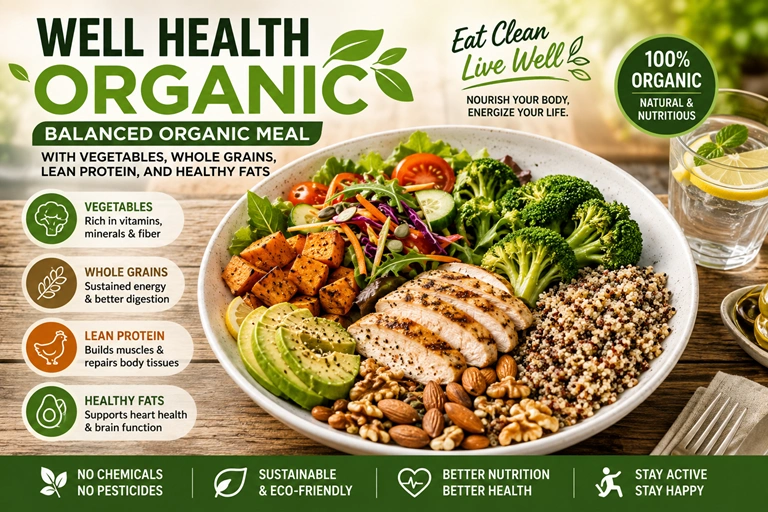
Nutrition remains the foundation of healthy living because every organ in your body depends on the nutrients you consume.
Fortunately, eating well doesn’t have to be complicated.
A practical plate usually includes:
- Half vegetables and fruits
- One-quarter lean protein
- One-quarter whole grains
- Healthy fats in moderate amounts
This approach naturally increases fiber while helping control calories without constant counting.
Why Protein Matters More Than Many People Think
Protein supports muscle maintenance, immune function, hormones, and recovery after exercise.
Good protein choices include:
- Eggs
- Chicken
- Fish
- Lentils
- Chickpeas
- Tofu
- Cottage cheese
- Greek yogurt
Adults who remain active throughout life often benefit from distributing protein across multiple meals rather than eating most of it at dinner.
Don’t Fear Healthy Fats
For years, dietary fat was unfairly blamed for many health problems.
Today, nutrition experts recognize that healthy fats play an essential role in hormone production, brain function, and heart health.
Good sources include:
- Avocados
- Walnuts
- Almonds
- Olive oil
- Flaxseeds
- Chia seeds
- Fatty fish like salmon
The key is choosing quality sources while keeping portions balanced.
Hydration: The Habit People Still Forget
Water rarely gets the attention given to trendy supplements, yet it influences almost every function inside the body.
Even mild dehydration can affect:
- Energy
- Concentration
- Physical performance
- Digestion
- Mood
Most adults benefit from drinking water consistently throughout the day instead of waiting until they feel thirsty.
Simple ways to improve hydration include:
- Carry a reusable water bottle.
- Drink a glass of water after waking up.
- Include water-rich foods such as cucumber, watermelon, and oranges.
- Replace one sugary drink each day with plain or sparkling water.
If you exercise regularly or spend long periods outdoors in hot weather, your hydration needs will naturally increase.
Why Daily Movement Is Better Than Weekend Workouts
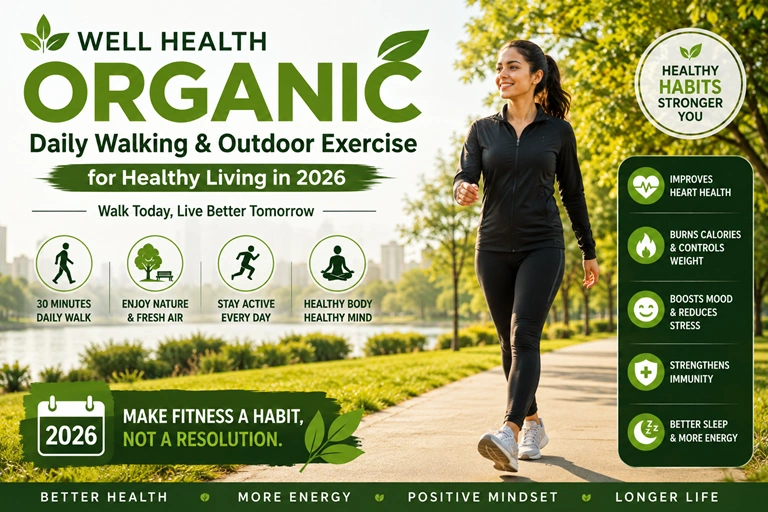
One of the biggest misconceptions about fitness is that you need hours in the gym to stay healthy.
You don’t.
Research continues to show that regular movement spread throughout the week often provides greater long-term health benefits than exercising intensely once or twice.
Walking after meals, taking the stairs, stretching between meetings, gardening, cycling to nearby places, or playing with children all contribute to your daily activity level.
How Much Exercise Should You Aim For?
A realistic weekly routine includes a mix of:
- Moderate cardio activities like brisk walking or cycling.
- Strength training two or more days each week.
- Mobility and flexibility exercises.
- Balance training, particularly for older adults.
If you’re just getting started, don’t focus on speed or intensity. Focus on building the habit. A consistent 20-minute walk every day is far more valuable than an ambitious workout plan that lasts only one week.
By treating movement as a normal part of everyday life rather than a separate task, staying active becomes much easier—and much more sustainable.
Sleep: Your Body’s Natural Recovery System
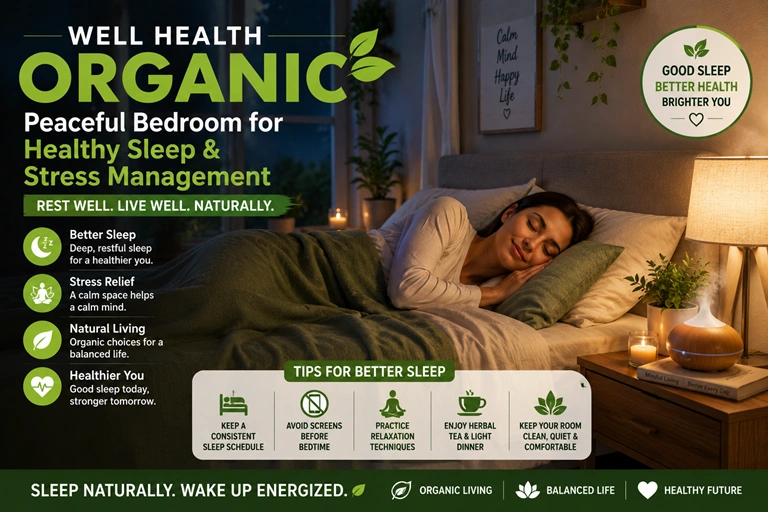
Many people focus on eating healthier and exercising more but underestimate the value of good sleep. Yet sleep is when your body performs some of its most important maintenance work. Muscles recover, hormones regulate, memories are processed, and the immune system becomes more efficient.
Poor sleep doesn’t just leave you feeling tired. Over time, it can affect concentration, mood, appetite, productivity, and overall health.
How to Improve Sleep Quality
You don’t need complicated sleep hacks. A few consistent habits often make the biggest difference.
- Go to bed and wake up at roughly the same time every day.
- Reduce screen time 30–60 minutes before bedtime.
- Keep your bedroom cool, dark, and quiet.
- Avoid large meals and excessive caffeine late in the evening.
- Create a relaxing bedtime routine such as reading, stretching, or meditation.
Adults generally benefit from 7–9 hours of quality sleep each night, though individual needs can vary.
Managing Stress in a Busy World
Stress isn’t always harmful. In small doses, it can motivate you to meet deadlines or respond to challenges. The problem begins when stress becomes constant.
Chronic stress may contribute to headaches, digestive issues, high blood pressure, poor sleep, weakened immunity, and mental fatigue.
Healthy living in 2026 isn’t about eliminating stress completely—it’s about learning how to recover from it.
Simple Stress-Relief Habits That Actually Work
You don’t have to spend hours meditating to improve your mental well-being. Small daily practices can have a meaningful impact.
Some effective strategies include:
- Practicing deep breathing for five minutes.
- Taking short breaks during work.
- Spending time outdoors.
- Keeping a gratitude journal.
- Connecting with family or friends.
- Limiting unnecessary social media scrolling.
- Listening to calming music or podcasts.
- Engaging in hobbies that help you relax.
If stress begins to interfere with daily life or feels overwhelming, speaking with a qualified healthcare professional or mental health specialist is an important step.
Preventive Healthcare Is Better Than Reactive Healthcare
One of the biggest shifts in modern wellness is the emphasis on prevention rather than treatment.
Instead of waiting until symptoms appear, many people are becoming proactive about maintaining their health.
Preventive care includes:
- Annual health check-ups
- Blood pressure monitoring
- Blood sugar testing
- Cholesterol screening
- Dental examinations
- Eye check-ups
- Recommended vaccinations
- Age-appropriate health screenings
Regular check-ups can identify potential health concerns early, often making them easier to manage.
Digital Wellness Matters More Than Ever
Technology has improved many aspects of life, but excessive screen time can quietly affect sleep, posture, focus, and mental health.
Many people spend eight to ten hours a day looking at screens for work alone. Add entertainment and social media, and that number increases significantly.
Build Healthier Digital Habits
Consider introducing a few practical boundaries.
- Take a short movement break every hour.
- Follow the 20-20-20 rule for eye comfort (every 20 minutes, look at something about 20 feet away for 20 seconds).
- Turn off unnecessary notifications.
- Avoid checking your phone immediately after waking.
- Schedule regular “screen-free” periods during the day.
Technology should support your lifestyle—not control it.
Sustainable Healthy Habits That Last
The healthiest people aren’t necessarily the most disciplined. More often, they’ve created routines that are easy to maintain.
Instead of trying to change everything at once, focus on one or two habits at a time.
For example:
Week 1: Drink more water.
Week 2: Walk for 20 minutes daily.
Week 3: Add one extra serving of vegetables each day.
Week 4: Sleep 30 minutes earlier.
These small improvements build momentum. Over months and years, they become part of your lifestyle rather than another short-lived challenge.
Remember, consistency almost always beats intensity.
Common Mistakes to Avoid
Healthy living can become unnecessarily complicated when people chase every new trend. Keeping things simple usually leads to better long-term results.
Avoid these common mistakes:
- Following restrictive fad diets without medical guidance.
- Skipping meals to lose weight quickly.
- Depending heavily on supplements instead of whole foods.
- Ignoring sleep while focusing only on exercise.
- Expecting immediate results from new habits.
- Comparing your progress to others online.
Progress isn’t measured by perfection. It’s measured by the habits you repeat consistently.
Key Takeaways
- Healthy living begins with realistic daily habits.
- Choose whole, minimally processed foods whenever possible.
- Stay active throughout the week instead of relying only on occasional workouts.
- Prioritize sleep, hydration, and stress management.
- Schedule preventive health check-ups regularly.
- Build routines gradually for long-term success.
- Balance is more sustainable than extreme restrictions.
Frequently Asked Questions
What is Well Health Organic?
Well Health Organic represents a practical approach to healthier living through balanced nutrition, natural lifestyle choices, regular physical activity, quality sleep, and preventive wellness habits rather than relying on quick fixes or extreme diets.
Is eating organic necessary for a healthy lifestyle?
Organic foods can reduce exposure to certain agricultural chemicals, but overall diet quality matters more. A balanced eating pattern rich in fruits, vegetables, whole grains, legumes, and lean proteins is beneficial whether foods are organic or conventionally grown.
What is the easiest healthy habit to start today?
Start by drinking enough water, taking a 20-minute walk, or adding one serving of vegetables to your meals each day. Small, consistent actions are easier to maintain than major lifestyle overhauls.
How long does it take to build healthy habits?
While timelines vary from person to person, many people notice improvements within a few weeks of consistent practice. Lasting habits develop through repetition, patience, and realistic expectations rather than rapid change.
Conclusion
Healthy living in 2026 doesn’t require expensive products, complicated routines, or impossible standards. It begins with simple choices repeated consistently—choosing nourishing foods, moving your body regularly, sleeping well, managing stress, and making time for preventive healthcare.
The philosophy behind Well Health Organic is refreshingly practical: focus on habits you can maintain, not trends you can only follow for a few weeks. Every healthy meal, every walk, every good night’s sleep, and every positive decision adds up over time. Start with one meaningful change today, build on it tomorrow, and allow those small improvements to shape a healthier, more balanced future.