




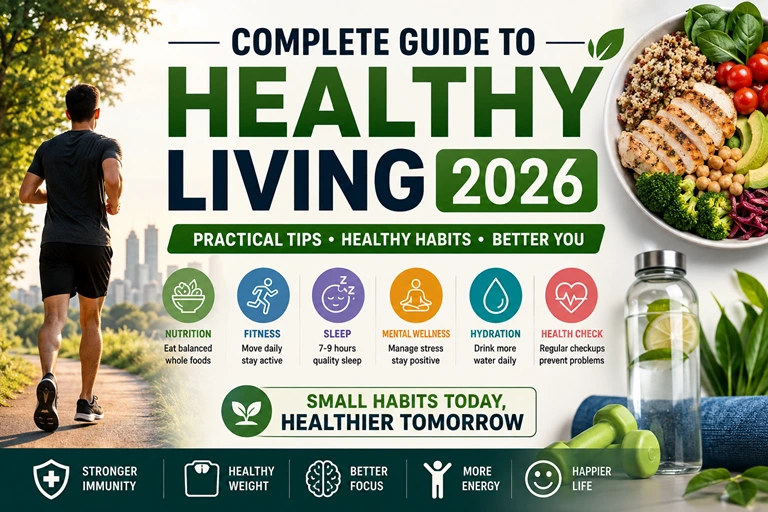
A healthy lifestyle doesn’t begin with a strict diet or an expensive gym membership. It starts with everyday choices that quietly shape your future. Think about the last week—how many meals were rushed, how often did you sleep less than seven hours, or how many hours passed without moving from your chair? Modern life is busier than ever, but 2026 also offers better knowledge, smarter technology, and practical habits that make healthy living easier than it has ever been. This guide brings together science-backed advice that you can actually follow, whether you’re just getting started or looking to improve your current routine.
Quick Summary
- Eat mostly whole, minimally processed foods.
- Exercise for at least 150 minutes every week.
- Prioritize 7–9 hours of quality sleep.
- Drink enough water throughout the day.
- Reduce stress through mindfulness or hobbies.
- Limit ultra-processed foods and sugary drinks.
- Build consistent habits instead of chasing perfection.
- Schedule regular preventive health checkups.
What Does Healthy Living Mean in 2026?
Healthy living today goes far beyond counting calories or chasing a certain body weight. It focuses on creating sustainable habits that improve physical health, mental well-being, emotional balance, and long-term quality of life.
Rather than following restrictive trends, people are increasingly choosing routines they can maintain for years. That means preparing balanced meals, moving every day, sleeping well, managing stress, and making time for relationships and personal growth.
Technology has also changed the way many people stay healthy. Fitness trackers, meal-planning apps, and wearable health devices provide useful insights, but they work best when combined with consistent lifestyle habits—not as replacements for them.
Build a Balanced Diet That Supports Long-Term Health
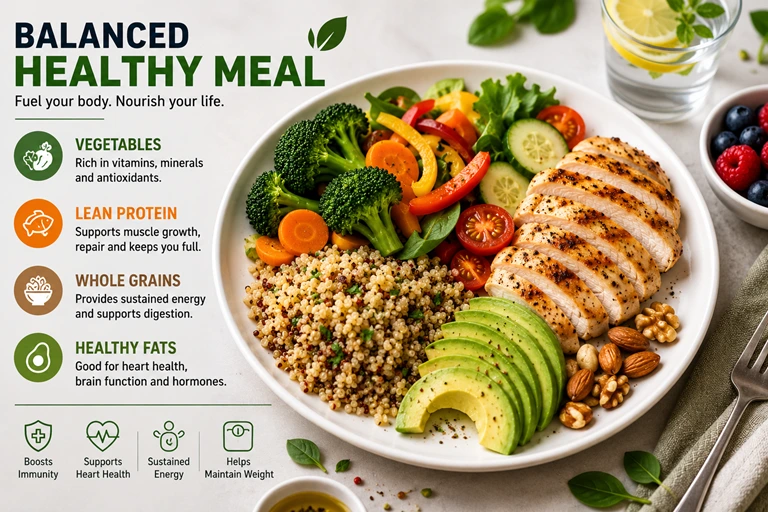
Nutrition remains the foundation of good health. No exercise plan can fully compensate for poor eating habits.
Focus on Whole Foods
A healthy plate should include:
- Colorful vegetables
- Fresh fruits
- Whole grains
- Lean protein
- Healthy fats
- Plenty of water
Whole foods provide vitamins, minerals, antioxidants, and fiber that processed foods often lack.
Don’t Fear Healthy Fats
Healthy fats are essential for hormone production, brain health, and heart function.
Excellent sources include:
- Avocados
- Olive oil
- Nuts
- Seeds
- Fatty fish like salmon
Protein Matters More Than Many People Think
Protein helps repair muscles, supports metabolism, and keeps you feeling full longer.
Good choices include:
- Eggs
- Greek yogurt
- Lentils
- Chicken breast
- Fish
- Tofu
- Cottage cheese
Limit Ultra-Processed Foods
Packaged snacks, sugary drinks, and fast food can fit into life occasionally, but they shouldn’t become daily habits. Many contain excessive sugar, sodium, and unhealthy fats that contribute to obesity, diabetes, and cardiovascular disease.
A simple rule works well:
If most of your grocery cart comes from the outer aisles of the supermarket, you’re probably making healthier choices.
Why Daily Movement Is More Important Than Intense Workouts
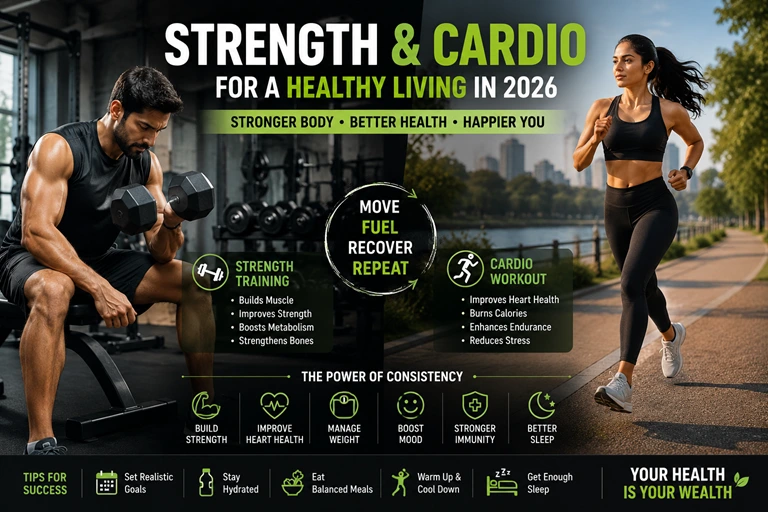
Many people believe fitness only happens inside a gym. That’s simply not true.
Walking your dog, cycling to work, gardening, climbing stairs, or playing with children all contribute to better health.
Follow the Recommended Activity Levels
Aim for:
- 150–300 minutes of moderate exercise weekly
- Two strength-training sessions
- Daily stretching or mobility exercises
Build a Weekly Routine
An example schedule:
| Day | Activity |
|---|---|
| Monday | Strength training |
| Tuesday | Brisk walking |
| Wednesday | Yoga or stretching |
| Thursday | Cycling |
| Friday | Full-body workout |
| Saturday | Outdoor activity |
| Sunday | Active recovery |
Don’t Sit for Hours
Long periods of sitting are associated with several health risks.
Try these simple habits:
- Stand every hour
- Walk during phone calls
- Stretch every 60 minutes
- Use stairs instead of elevators whenever possible
Small movements throughout the day often matter more than one intense workout.
Sleep and Recovery: The Missing Piece of Good Health
People often sacrifice sleep to get more work done, yet poor sleep quietly affects nearly every part of the body.
Lack of sleep can lead to:
- Poor concentration
- Reduced immunity
- Weight gain
- Mood changes
- Increased risk of chronic diseases
How to Improve Sleep Quality
Create a consistent bedtime routine.
Helpful habits include:
- Sleeping at the same time daily
- Avoiding screens 30–60 minutes before bed
- Keeping the bedroom cool and dark
- Limiting caffeine after mid-afternoon
- Avoiding heavy meals late at night
Adults generally benefit from 7–9 hours of quality sleep each night.
Recovery also includes rest days. Muscles grow and repair during recovery—not during the workout itself.
Mental Wellness Is Just as Important as Physical Health
A healthy body and a healthy mind work together.
Stress isn’t always harmful, but chronic stress can raise blood pressure, interfere with sleep, weaken the immune system, and increase anxiety.
Simple Ways to Reduce Stress
Healthy stress-management habits include:
- Meditation
- Deep breathing
- Journaling
- Reading
- Spending time outdoors
- Talking with trusted friends
- Practicing gratitude
Even ten quiet minutes every day can improve emotional well-being.
Limit Digital Overload
Most people spend several hours daily looking at screens.
Consider:
- Turning off unnecessary notifications
- Taking regular screen breaks
- Keeping phones out of the bedroom
- Creating device-free family meals
These small boundaries help improve focus and mental clarity.
Healthy Habits That Make the Biggest Difference
People often search for the perfect diet or the best workout plan.
The reality?
Long-term health usually comes from ordinary habits repeated consistently.
Drink Enough Water
Hydration supports:
- Digestion
- Energy levels
- Skin health
- Temperature regulation
- Physical performance
Carry a reusable water bottle throughout the day.
Preventive Healthcare Matters
Don’t wait until you’re sick.
Schedule routine:
- Blood pressure checks
- Cholesterol tests
- Blood sugar screening
- Dental appointments
- Eye examinations
- Recommended vaccinations
Early detection often makes treatment simpler and more effective.
Build Habits Slowly
Instead of changing everything overnight, try adding one habit every week.
Examples:
Week 1:
Walk 20 minutes daily.
Week 2:
Eat vegetables at lunch.
Week 3:
Sleep before 11 PM.
Week 4:
Replace one sugary drink with water.
Small improvements accumulate surprisingly fast over months and years.
Healthy Living Trends Worth Following in 2026
Health trends come and go, but several evidence-based approaches continue gaining attention.
Personalized Nutrition
Many people now use health data, food tracking, and professional guidance to create eating plans suited to their individual needs rather than following generic diets.
Strength Training for Everyone
Strength training is no longer associated only with athletes or bodybuilders.
It improves:
- Bone density
- Balance
- Metabolism
- Functional strength
- Healthy aging
Walking Becomes the Most Popular Exercise
Walking remains one of the safest, most accessible, and sustainable forms of exercise.
Daily walks improve cardiovascular health, mood, and energy without requiring expensive equipment.
Wearable Health Technology
Smartwatches and fitness trackers help monitor:
- Heart rate
- Sleep
- Daily steps
- Activity levels
Remember, though, these tools provide guidance—not perfect measurements. Focus on long-term habits rather than chasing numbers.
Frequently Asked Questions
What is the healthiest lifestyle in 2026?
A healthy lifestyle includes balanced nutrition, regular exercise, quality sleep, stress management, hydration, preventive healthcare, and consistent daily habits that support long-term physical and mental well-being.
How many minutes should I exercise each week?
Most adults should aim for at least 150 minutes of moderate-intensity aerobic activity every week, along with strength-training exercises on two or more days.
Is walking enough to stay healthy?
Walking provides significant cardiovascular and mental health benefits. Combining daily walks with strength training and flexibility exercises creates a more complete fitness routine.
What is the most important healthy habit?
Consistency matters more than perfection. Eating nutritious foods, staying active, sleeping well, and managing stress regularly provide greater long-term benefits than occasional extreme efforts.
Conclusion
Healthy living in 2026 isn’t about following every wellness trend or achieving perfection. It’s about creating routines that fit your lifestyle and sticking with them over time. A nutritious diet, regular movement, quality sleep, stress management, and preventive healthcare form the foundation of lasting health. Start with one habit today, improve another next week, and let those small choices build a healthier future. Sustainable progress always beats short-lived motivation.