




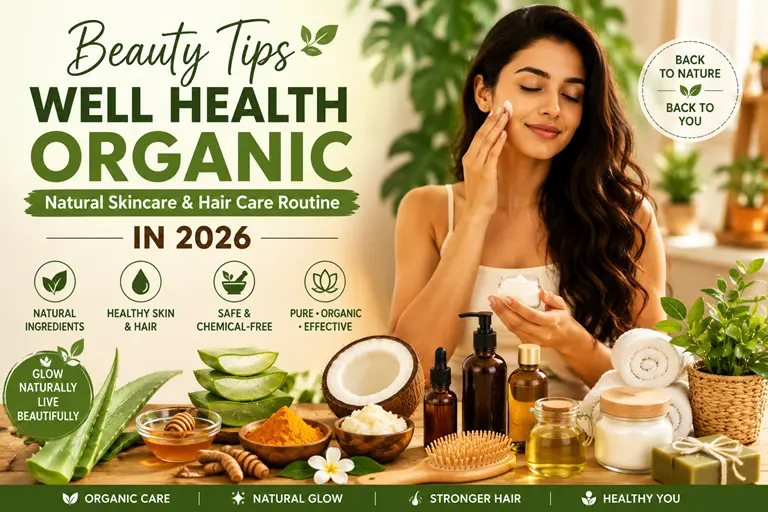
Have you ever wondered why some people spend thousands on skincare yet struggle with dull skin, while others follow a simple routine and always seem to glow? The difference often isn’t expensive products—it’s consistency, healthy habits, and choosing ingredients that actually work with your body. In 2026, more people are moving away from complicated beauty routines and embracing organic, skin-friendly solutions. This guide covers practical beauty tips that support healthy skin and stronger hair naturally, without relying on harsh chemicals or unrealistic promises.
Quick Summary: Beauty Tips – Well Health Organic.com
Key Takeaways
- Follow a consistent skincare routine instead of chasing trends.
- Choose organic ingredients whenever possible.
- Healthy eating and hydration improve skin from within.
- Hair health depends on scalp care, nutrition, and gentle products.
- Sleep, stress management, and sun protection are just as important as skincare products.
- DIY remedies can help, but always patch-test before using them.
Why Beauty Tips Well Health Organic Matters in 2026
Natural beauty isn’t about rejecting science or avoiding skincare products altogether. Instead, it’s about choosing gentle ingredients that support your skin’s natural barrier while avoiding unnecessary irritation.
Modern lifestyles expose our skin to pollution, UV rays, blue light from screens, stress, and processed foods. These factors contribute to acne, premature aging, pigmentation, and hair fall.
An organic beauty routine focuses on supporting your body’s natural healing process through:
- Plant-based ingredients
- Balanced nutrition
- Gentle cleansing
- Proper hydration
- Consistent self-care
The goal isn’t perfect skin—it’s healthier skin.
Natural Skincare Routine for Healthy, Glowing Skin

Start with Gentle Cleansing
Cleansing removes dirt, excess oil, sunscreen, and pollutants that accumulate throughout the day.
Choose a cleanser based on your skin type:
- Oily skin: Gel cleanser with tea tree or green tea extracts
- Dry skin: Cream cleanser containing aloe vera or oat extract
- Sensitive skin: Fragrance-free, sulfate-free cleansers
- Combination skin: Mild pH-balanced cleanser
Avoid washing your face more than twice daily. Over-cleansing strips away natural oils and may actually increase oil production.
Never Skip Moisturizer
Many people with oily skin believe moisturizer causes breakouts. In reality, dehydrated skin often produces even more oil.
Look for natural moisturizing ingredients like:
- Aloe vera
- Shea butter
- Jojoba oil
- Coconut-derived moisturizers
- Squalane from plant sources
A lightweight moisturizer keeps the skin barrier healthy and reduces irritation.
Sunscreen is Non-Negotiable
No organic beauty routine is complete without sun protection.
Daily sunscreen helps prevent:
- Premature wrinkles
- Hyperpigmentation
- Sunburn
- Uneven skin tone
- Long-term UV damage
Choose a broad-spectrum SPF 30 or higher, even on cloudy days.
Which Organic Ingredients Actually Work?
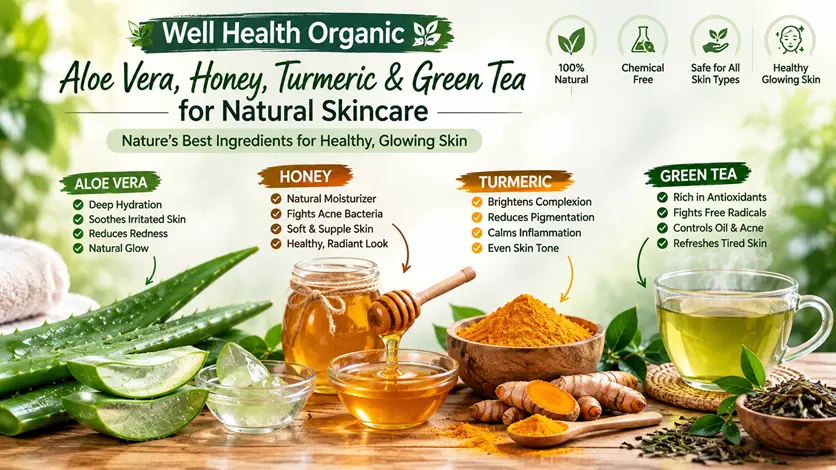
Natural doesn’t always mean effective. Fortunately, several ingredients have both traditional use and scientific support.
Aloe Vera
Aloe vera remains one of the most versatile skincare ingredients.
Benefits include:
- Hydration
- Cooling irritated skin
- Supporting wound healing
- Reducing redness after sun exposure
Fresh aloe gel works well, but ensure it’s clean and free from contaminants.
Honey
Raw honey naturally contains antibacterial and moisturizing properties.
It may help:
- Calm acne-prone skin
- Hydrate dry skin
- Support skin repair
- Leave the skin feeling soft
A simple honey face mask once a week is enough for most skin types.
Turmeric
Turmeric has been used in traditional beauty rituals for generations.
It may help improve:
- Skin brightness
- Redness
- Minor inflammation
Use only a small amount to avoid temporary yellow staining.
Green Tea
Rich in antioxidants, green tea can help protect the skin against environmental stress.
It is especially useful for:
- Oily skin
- Acne-prone skin
- Reducing puffiness
- Refreshing tired-looking skin
Chilled green tea can also be used as a soothing facial toner.
Natural Hair Care Guide for Stronger Hair
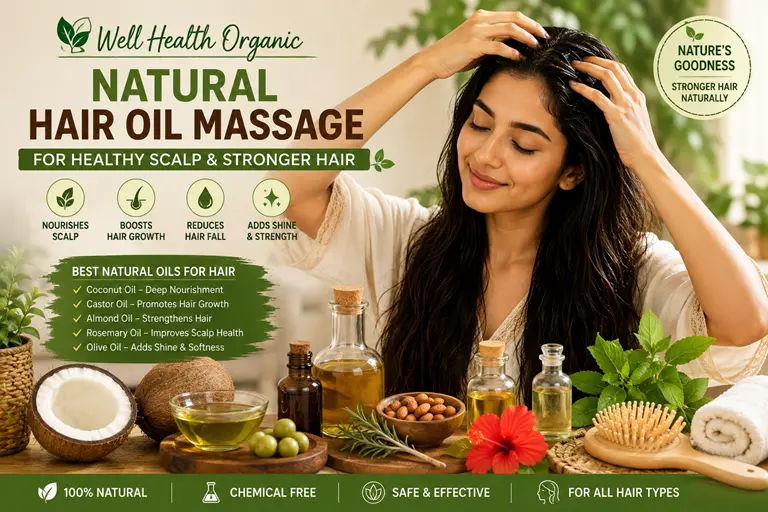
Healthy hair starts with a healthy scalp.
Instead of focusing only on shampoos, consider your complete hair-care routine.
Wash According to Your Hair Type
Hair doesn’t need daily washing unless you’re exposed to heavy sweat or pollution.
General guidelines:
- Oily scalp: Every 2–3 days
- Normal scalp: 2–3 times weekly
- Dry or curly hair: 1–2 times weekly
Use sulfate-free shampoos whenever possible.
Massage Your Scalp
Scalp massage improves circulation and feels relaxing after a long day.
Natural oils commonly used include:
- Coconut oil
- Argan oil
- Almond oil
- Rosemary-infused oil
- Castor oil (mixed with lighter oils)
Massage gently for five to ten minutes before washing.
Feed Your Hair from Within
Hair is primarily made of protein.
Without proper nutrition, even the most expensive products won’t deliver lasting results.
Include foods rich in:
- Protein
- Iron
- Zinc
- Vitamin D
- Omega-3 fatty acids
- Biotin-rich foods like eggs and nuts
Balanced nutrition supports stronger hair growth over time.
Lifestyle Habits That Improve Skin and Hair Naturally
Beauty doesn’t begin with cosmetics—it begins with daily habits.
Stay Hydrated
Water helps maintain skin hydration and supports normal body functions.
While drinking more water won’t magically erase wrinkles, dehydration can leave skin looking dull and tired.
Aim for regular hydration throughout the day.
Sleep Matters More Than Most Products
Your body repairs itself while you sleep.
Poor sleep often contributes to:
- Puffy eyes
- Dark circles
- Dull complexion
- Increased stress hormones
Most adults benefit from seven to nine hours of quality sleep each night.
Manage Stress
Stress affects both the skin and hair.
Chronic stress has been linked to:
- Acne flare-ups
- Hair shedding
- Dry skin
- Increased inflammation
Helpful stress-management techniques include:
- Walking outdoors
- Yoga
- Meditation
- Reading
- Spending time away from screens
Small daily habits often make a noticeable difference.
Eat Colorful Foods
Brightly colored fruits and vegetables provide vitamins and antioxidants that support skin health.
Examples include:
- Carrots
- Tomatoes
- Spinach
- Blueberries
- Oranges
- Bell peppers
A balanced plate benefits both your overall health and appearance.
Common Beauty Mistakes to Avoid
Even the best products can’t compensate for unhealthy habits.
Here are some of the most common mistakes people make.
Using Too Many Products
More isn’t always better.
Layering multiple active ingredients can irritate the skin and weaken the skin barrier.
Keep your routine simple and consistent.
Ignoring Patch Tests
Natural ingredients can still trigger allergies.
Always test a new product or DIY mixture on a small area of skin before full application.
Sleeping with Makeup
Leaving makeup on overnight traps dirt, oil, and pollutants.
This increases the likelihood of clogged pores and breakouts.
Washing Hair with Very Hot Water
Hot water strips away natural oils from both the scalp and hair.
Lukewarm water is generally a better choice.
Chasing Viral Beauty Trends
Social media trends can be entertaining, but not every viral hack is safe.
Stick with routines supported by dermatologists, established research, or ingredients with a long history of safe use.
Can DIY Beauty Remedies Replace Commercial Products?
DIY beauty treatments can be useful for simple hydration or soothing the skin, but they aren’t always a replacement for professionally formulated skincare.
For example:
- Aloe vera gel may soothe irritated skin.
- Honey can provide temporary hydration.
- Oatmeal masks may calm sensitive skin.
However, concerns such as severe acne, eczema, persistent pigmentation, or significant hair loss often require targeted products or guidance from a qualified dermatologist. A balanced approach—using safe homemade remedies alongside evidence-based skincare when needed—is usually the most effective strategy.
Frequently Asked Questions
Is Beauty Tips Well Health Organic suitable for all skin types?
Yes, many organic beauty practices can benefit different skin types. However, choose ingredients based on your specific skin concerns and always perform a patch test before trying new products.
Can natural remedies permanently cure acne?
No. Natural remedies may help reduce mild acne symptoms, but persistent or severe acne often requires professional diagnosis and treatment. A dermatologist can recommend evidence-based options if home care isn’t enough.
How long does it take to see results from an organic beauty routine?
Most people notice small improvements within four to eight weeks of consistent care. Significant changes in skin texture, pigmentation, or hair health generally take several months.
Which ingredient is best for naturally glowing skin?
There isn’t a single “best” ingredient. A combination of daily sunscreen, moisturizer, balanced nutrition, hydration, gentle cleansing, and ingredients such as aloe vera or green tea typically delivers the most reliable results.
Conclusion
Healthy skin and hair don’t come from a single miracle ingredient or an expensive beauty product. They result from small, consistent habits practiced every day. A simple organic routine, nutritious food, adequate sleep, hydration, and protection from the sun can make a meaningful difference over time. Instead of chasing every new trend, focus on routines you can maintain—and let your skin and hair improve naturally with patience and care.